When to take Lightning vs. on-chain
A simple rubric — by transaction size, customer type, and where you're settling.
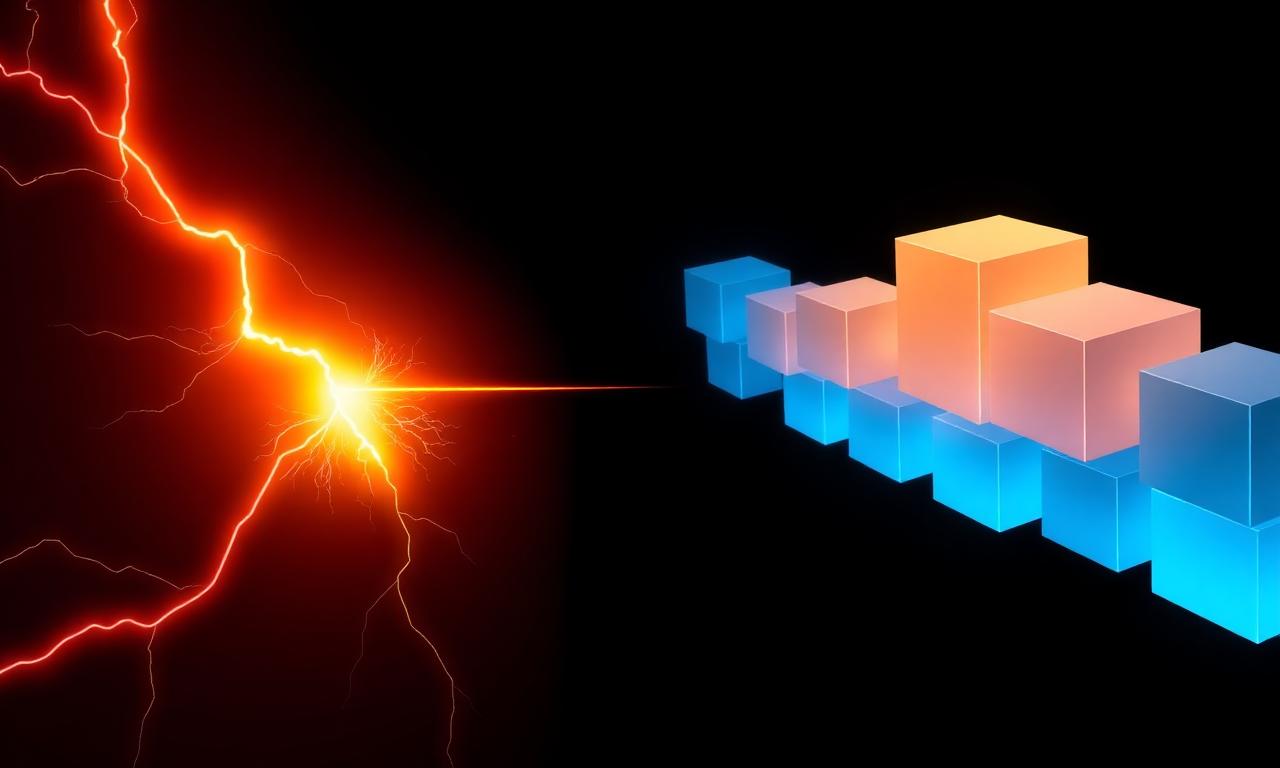
Bitcoin has two payment rails: on-chain (the original blockchain) and Lightning (instant, near-zero-fee transactions). Choosing the right one is mostly about transaction size and customer type. Here's the rubric.
The 30-second answer
- Under $500 + retail/walk-in customer → Lightning.
- Over $500 + B2B or international → on-chain.
- Recurring or subscription → Lightning.
- One-time large invoice (legal, construction, jewelry) → on-chain.
That covers 90% of cases.
Why Lightning wins for small payments
- Confirms in under 3 seconds. Customer doesn't wait at the counter.
- Fees are pennies regardless of amount. A $5 coffee and a $500 dinner both cost about $0.01 to receive.
- No mempool risk. Whether the network is congested doesn't matter.
The tradeoff: Lightning needs a channel (a small amount of Bitcoin pre-allocated on the network). Most processors handle this for you, but capacity limits mean very large payments can't fit through a single channel.
Why on-chain wins for large payments
- No channel capacity limits. A $50,000 invoice settles the same as a $50 one.
- Final settlement on the base layer. For high-value B2B, the receiver wants the certainty of a confirmed block.
- Better for international. On-chain reaches every wallet globally without channel routing.
The tradeoff: 10–60 minute confirmation and fees scale with network congestion ($1–$25 typical, can spike higher).
Where you're settling matters too
If your processor settles you to USD daily (the recommended setup for most small businesses), the customer's choice of rail is invisible to your bank. You see one ACH the next morning either way.
If you're settling to BTC (holding it), Lightning gives you smaller, more frequent payouts that are easier to deploy. On-chain gives you fewer, larger UTXOs better suited to cold storage.
The setup most operators land on
Offer both rails at checkout and let the customer pick. Modern processors (BitPay, OpenNode, Strike) generate a single QR that supports both. The customer's wallet decides which to use based on the amount and their balance.
You don't have to choose. You just have to turn both on.